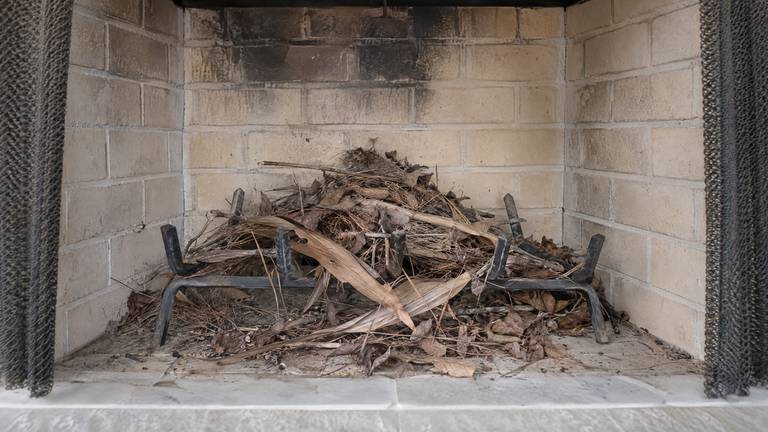
Something living in your chimney? Chimney animal removal in Seffner
Local chimney experts who clean up after wildlife, haul the nest debris away and fit caps that meet the code.
- Family owned and operated
- Same-day service available
- No hidden fees
- Workmanship warranty
Contents
Why a fire is the wrong way to drive an animal out
Lighting a fire or burning something smoky to force an animal out of a chimney is a common impulse and a bad idea. A trapped animal may not be able to climb out at all, young in a nest cannot leave, and nest material in the flue can catch fire.
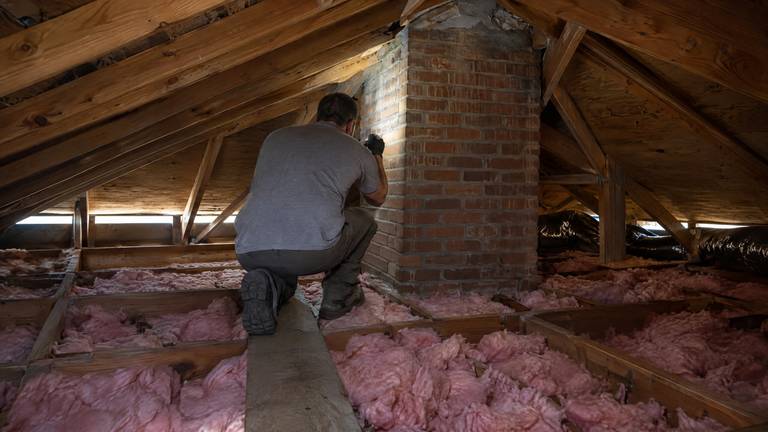
Keep the fireplace unused and the damper and doors closed until the chimney has been checked. NFPA safety guidance calls for chimneys to be inspected every year, and a chimney with an animal problem needs that check before it is used again.
If a fire was already burning when the sounds started, let it burn down and the fireplace cool before doing anything else. Then leave the damper closed and have the flue checked before the fireplace is used again.
Capping a chimney used by swifts
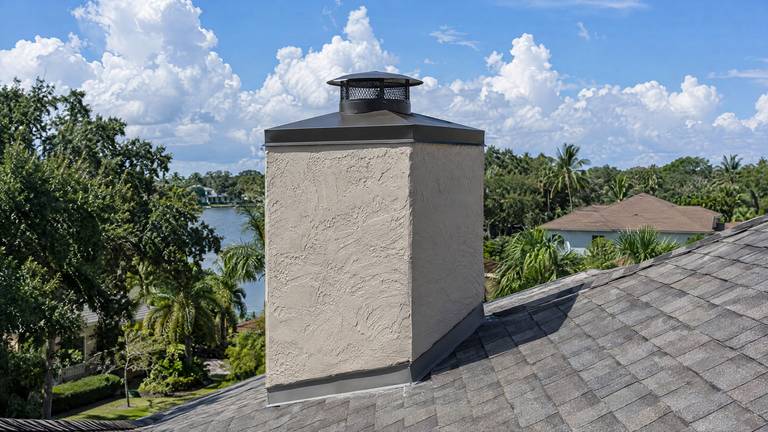
The U.S. Fish and Wildlife Service encourages homeowners not to cap or screen chimneys that swifts use, because the birds depend on them for nesting. The same guidance says a chimney with a metal liner should be capped, since animals can be trapped inside a smooth metal flue.
Some homeowners choose to leave a masonry chimney open for the birds, and others decide to cap it after the season. We explain both paths honestly and do the work you choose at the right time of year.
Whichever you choose, the chimney is swept before it is capped, so old nest material does not stay in the flue under a new cap.
Who handles the animal and who handles the chimney
Florida's rule allows property owners to deal with nuisance wildlife on their property or to authorize someone else to do it. Protected birds and bats have their own rules on top of that.
We are clear about the division of work. Where an animal must be trapped, excluded or rehabilitated, we coordinate with the right wildlife help. The chimney side, meaning the inspection, cleaning, damper and flue checks and the cap, is ours.
That division keeps each part of the job with the people suited to it, and you get one plain explanation of the whole plan before anything starts. The inspection that begins it is free.
Finding the way in before closing it
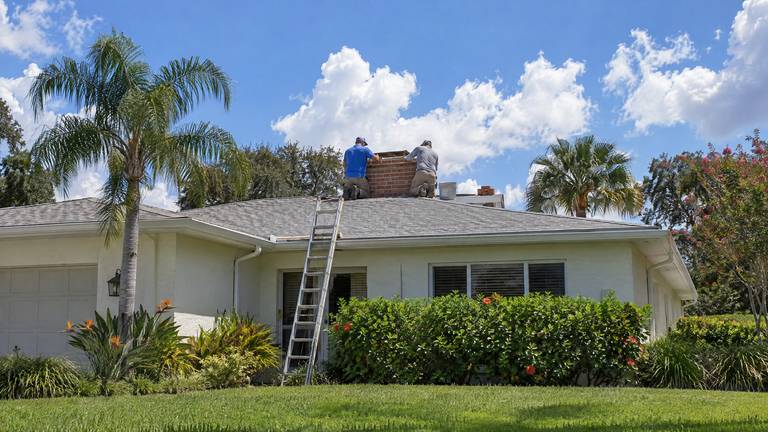
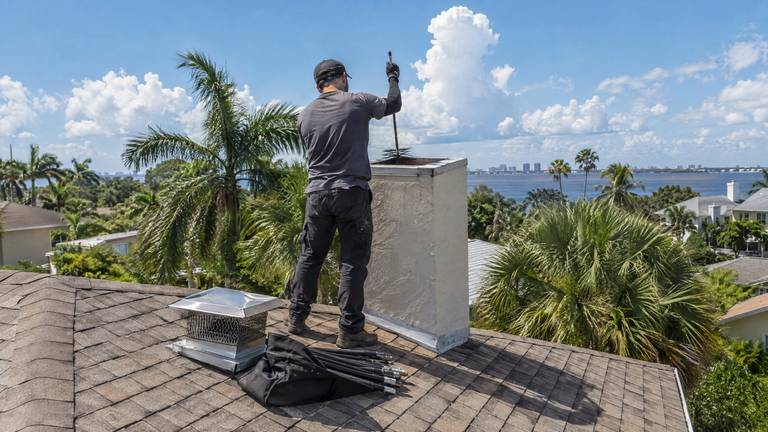
An uncapped flue is the obvious entry, but it is not the only one. A torn or rusted screen, a gap between the cap and the crown, a cracked crown or an opening in a chase cover or chase siding can each let animals in.
We check each possibility at the top of the chimney before recommending a fix. Closing one opening while another stays open only moves the problem.
- Missing or loose cap on the flue
- Torn, rusted or bent screen
- Gap between the cap and the crown
- Openings in a chase cover or chase siding
On any service we offer
Closing the chimney top? Give us the go-ahead inside 72 hours of the inspection and save 10%.
What's Included
Checked Before Any Work Starts in Seffner
- Damper operation and damage from nesting
- The entry point at the chimney top
- Cap, screen and fit on each flue
- Crown gaps and the joint under the cap
Our Services
More Help for Your Seffner Fireplace
-
-
-
-
-
-


More about chimney animal removalEverything we do in Seffner
Proudly American
A clear scope, an agreed price and workmanship we stand behind.
Something in the Chimney? Call Our Team
Describe what you are hearing in your Seffner chimney when you call (833) 435-4697. The inspection is free, and the next step is explained before any work.
Your request is confirmed
Our team will contact you to arrange the appointment.