
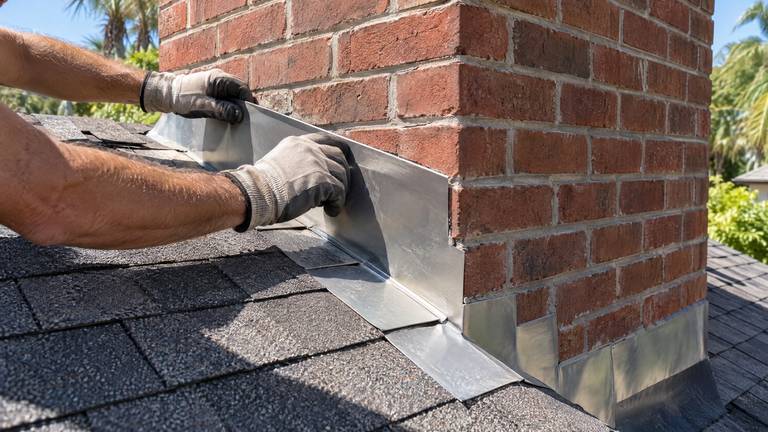
Chimney flashing repairs at your Tampa roof junction
Repair the connection where roof and chimney meet, with the layers and surrounding materials considered together.
- Family owned and operated
- Same-day service available
- No hidden fees
- Workmanship warranty
Signs to Mention When You Call
A dark patch beside the chimney may begin at a connection you cannot see from inside the room. Our Tampa chimney flashing repair service examines that roof junction and explains which parts need attention. The free inspection helps distinguish a limited defect from a connection that needs rebuilding. We plan the chimney work with the surrounding roof so a new surface patch does not hide an unresolved interface.
- A gap beside the chimney at roof level
- Lifted or visibly deteriorated flashing
- Water staining near the chimney after rain
- A recurring leak after sealant patches
- Roof replacement planned around an existing chimney
Contents
Flashing works as a connected weather detail
Chimney flashing manages the junction between two different parts of a building. The roof covering and chimney surface meet in an area that needs a properly arranged water path. Pieces that overlap and connect correctly matter more than a large amount of sealant spread over the visible edge. We assess the existing arrangement before selecting a repair.
The side, uphill and lower portions of the chimney may need different details. One side looking intact does not establish that the whole junction is sound. We explain which areas are accessible and what can be concluded from them. A concealed layer may require further access before a permanent repair can be specified.
Base flashing and counter flashing have different roles
Chimney step flashing connects with the roof covering along an appropriate stepped roof junction. Chimney counter flashing protects the upper edge of the roof-side flashing at the masonry. Those roles are related but not interchangeable. During inspection we identify the actual components rather than treating every visible metal strip as the complete assembly.
If one layer was omitted, damaged or incorrectly integrated, a surface treatment may not restore the intended water path. The repair plan should explain which layer is being retained and which is being changed. Where masonry attachment is involved, the surrounding material also matters. A secure-looking strip cannot compensate for an unsound attachment area behind it.
Choose chimney flashing repair or replacement
A focused repair can be appropriate when the underlying arrangement is sound and the defect is limited. More extensive deterioration, an unsuitable layout or repeated failures may point toward chimney flashing replacement. We discuss that distinction using the accessible condition, not a rule that every old flashing assembly must be replaced. The useful question is whether the proposed work restores the connection that is needed.
Previous patching can make the choice harder to assess. Several layers of coating may conceal edges and attachment points. Removing material for investigation may reveal a wider issue, which should be explained before the project changes. The goal is to fix the junction rather than add another unexplained layer over the same leak.
Trace a chimney flashing leak before covering it
Water can move before it appears on a ceiling or wall. The location of the stain gives a starting point but not proof of the entry point. Tell us when the stain changes and whether roof work or chimney work happened beforehand. We compare that history with the accessible junction and surrounding components.
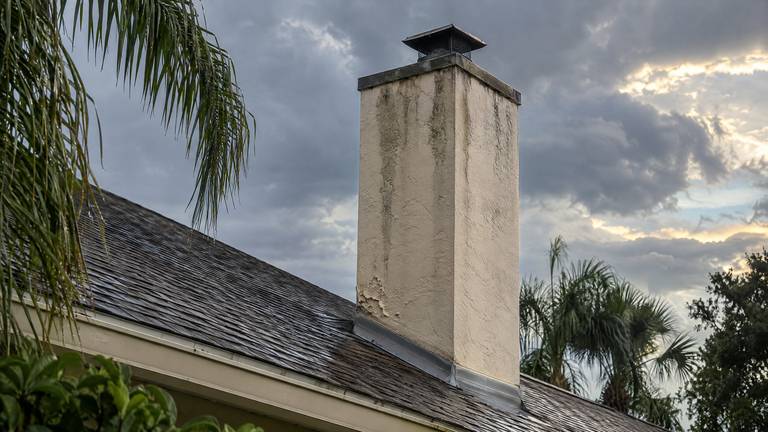
A damaged crown, cap or wall can create symptoms near an otherwise sound roof connection. If the cause is not yet established, chimney leak assessment may be needed before a specific flashing job is approved. We do not describe reflashing as a cure for every damp fireplace. The proposed work should address the evidence found.
Plan chimney reflashing with roof work
When reroofing is already planned, the junction should be discussed before the crew reaches it. Existing layers, new roofing and chimney details need an agreed sequence. Work to reflash a chimney can involve exposing areas that would otherwise remain concealed. Knowing who handles each part helps avoid a finished roof being disturbed twice.
If roof work has already started, establish the handoff before the junction is closed. These decisions help prevent a new roof surface from hiding unfinished chimney work.
- Describe which roof material has already been removed or replaced.
- Identify temporary weather protection and the final flashing work separately.
- Confirm who completes the masonry-side and roof-side junctions.
- Keep access available until each required layer is finished.
Flashing around your chimney needs suitable repair edges
A permanent repair depends on the materials the flashing meets. Deteriorated masonry, damaged roof material or an unstable edge can undermine a new connection. We identify those conditions rather than fastening fresh metal to an area that cannot support it. The repair sequence may therefore include another component before the flashing is finished.
Visible finishing details also deserve a discussion. Metal edges, attachment lines and surrounding repair material can change the appearance of the roof junction. The priority is a functioning weather connection, but you should understand what will be visible from the ground. Do not climb to judge a sample or inspect the completed roof-level work yourself.
Make the repair practical for your Tampa home
Tell us about access restrictions, a scheduled roof delivery or another contractor already working at the property. Equipment placement and safe access can affect how the job is arranged. Our team also needs to know which interior area shows the symptom. Keep that area available for assessment rather than covering the evidence immediately.
Interior stain repair usually belongs after the water concern has been addressed and the affected materials are ready. Repainting first can make it harder to judge whether the problem has changed. We explain what the chimney job includes and what may need separate attention. That gives you a sensible order for finishing the room afterward.
Know what was repaired at the roof connection
The completed-work description should identify the affected junction and retained components. Keep it with any roof paperwork, particularly if more than one contractor contributed to the project. It gives a later inspection a clearer starting point. If dampness returns, note the timing and location without assuming the newly repaired part is the only possible source.
Contact Tampa Fireplace & Chimney for a free inspection when flashing is loose, a roof-side stain recurs or reroofing raises questions about the chimney. Our family team can discuss a focused repair or a more complete replacement after examining the junction. The price and work are explained before you approve the next step.
Make your first service go further
Get 10% off your first service. Start with a free inspection and choose the work your fireplace needs.
What's Included
What Goes Into Your Repair Plan
- Accessible roof-to-chimney junction
- Condition of the existing metal and attachments
- Surrounding masonry and roofing connections
- Repair or replacement limits
- Sequence with any separate roofing work
Our Services
Services for Connected Problems
-
-
-
-


Enjoy Your Fireplace Again
A useful answer starts with your fireplace. Call or request a visit and tell us what has changed.
Your request is confirmed
Our team will contact you to arrange the appointment.