
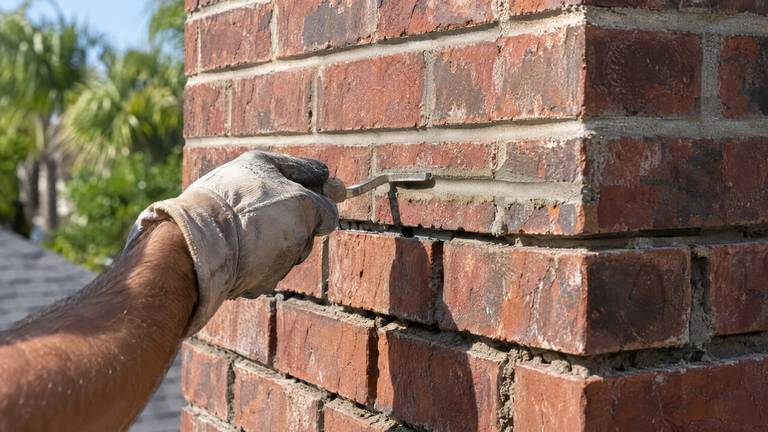
Chimney Cap Cost: Price the Correct Replacement
A missing part is a reason to establish the specification, not order the closest-looking cover.
- Family owned and operated
- Same-day service available
- No hidden fees
- Workmanship warranty
Quick answer
Chimney cap cost depends on the correct part for the chimney, its dimensions and material, the mounting condition and the work needed to fit it. When the old cap is missing, identify the system before comparing products. A cheap-looking replacement that is not suitable for the assembly is not a useful alternative to a correctly specified installation.
Contents
Start with the missing information
When a cap is absent, the homeowner may have no part to compare and no record of what was fitted. That makes identification part of the assessment. Tell the provider when the absence was first noticed and whether any previous information exists. An older invoice or a safely taken photograph may help, but neither replaces checking the current condition.
Do not climb onto the roof to obtain a measurement or recover a loose item. Report what you can see from a safe position and leave the elevated assessment to the people planning the work. If damage followed severe weather, mention any other visible change without assuming the cap is the only affected component. A missing cover and damaged mounting are different pieces of the eventual scope.
Establish which system the cap serves
A metal termination can belong to a named chimney or vent system with specified components. DuraVent's DuraChimney II instructions are one example of a system whose installation uses its own required arrangement. That example does not identify the system at your property, and metal components alone do not prove a particular fireplace construction.
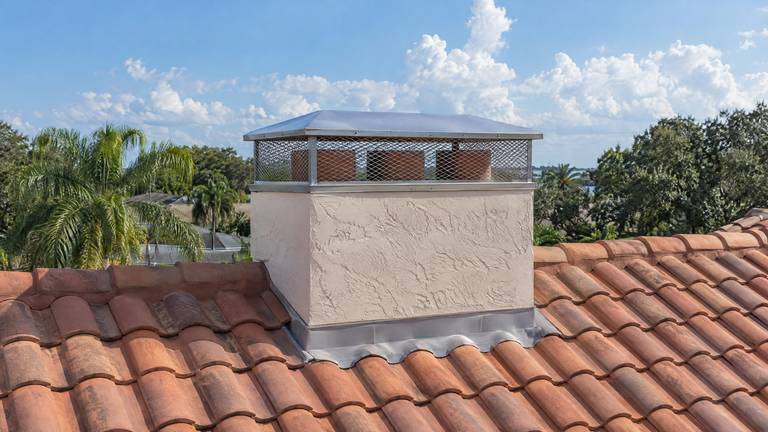
Ask how the proposed cap has been matched to the actual assembly. For a masonry chimney, the flue arrangement and condition also matter. The visible outer shape is not enough to choose a part for every installation. If identification remains uncertain, that uncertainty should be resolved or clearly included in the next step rather than hidden behind a generic product description.
Compare equivalent scopes
Chimney cap replacement cost can include more than the new metal item. Ask whether the proposal includes removing remaining hardware, preparing the mounting, fitting the component and addressing any damaged supporting detail. If those tasks are separate, their boundaries should be visible. Two quotes with different included work cannot be compared meaningfully by their totals alone.
The cap and the masonry top are also different components. A quote describing a “chimney top repair” may be broader than a cover replacement, or it may be using an imprecise term. Ask which part is being retained and which is being renewed. The estimate should let you understand the finished assembly without needing to decode a brief trade abbreviation.
Material is one decision among several
Material choice affects a proposed product, but it does not remove the need for fit and compatibility. Ask what the recommendation is based on and whether the finish, construction or maintenance expectations differ between suitable options. Avoid choosing solely from appearance or assuming a more expensive material corrects a problem elsewhere in the chimney.
Brick Industry Association guidance identifies corrosion resistance and the effect on gas flow as considerations for metal rain caps. These are functional issues, not simply decorative preferences. The applicable product and system instructions need to guide the final selection. No single metal or shape can be promised as the best answer for every Tampa fireplace without considering the actual installation.
Questions that make a quote easier to read
Bring the competing proposals together and mark the differences. A useful comparison identifies both the item supplied and the work at the property. If one quote leaves a task out, ask whether it is unnecessary, already complete or expected from another provider. Each explanation leads to a different decision, so do not fill the gap with an assumption.
Keep an optional appearance preference separate from a required repair. That makes it easier to choose between suitable alternatives without accidentally dropping work needed for the agreed result. If a part cannot be supplied as proposed, ask for the revised specification before a substitution is accepted.
- Which chimney or vent system is the proposed component intended for?
- How were the relevant dimensions and mounting requirements established?
- Is the mounting surface sound, or is preparation included?
- Are removal, fitting and disposal described?
- Is another repair required before the replacement can be completed?
- What care or access should remain available after installation?
A cap does not answer every water complaint
If the reason for the call is rain entering the fireplace, say that explicitly. The assessment should address the symptom as well as the missing cap. Replacing one visible component should not be represented as correcting an unexamined water path elsewhere. Ask which finding connects the replacement to the reported entry and whether any other concern remains.
Similarly, a stain left from an old incident is not proof that water is still entering at the same point. Share the sequence of observations and previous work. The proposed repair should be grounded in the current assessment, not in a broad assumption that every wet mark comes through the flue opening. Interior finishing can be discussed separately from the work intended to limit entry.
Clarify access and timing before approval
Chimney cap installation cost can be affected by the work arrangement at the house. Let the provider know about access restrictions or another scheduled project that may affect the appointment. Do not promise that a roof can be reached through a particular route without confirming it. The people performing the work should plan suitable access for the actual conditions.
Parts availability can also change the sequence. Ask whether the proposed item is ready to fit or still needs confirmation or manufacture. A free inspection does not guarantee same-day completion of every cap job. You should know which step is being scheduled and what has to happen before installation, particularly if another repair needs to be completed first.
Keep the completed scope with your records
After the work, retain the product information and the description of what was done. A future homeowner or service provider should be able to distinguish the replaced component from any surrounding parts that remained. Ask about the workmanship warranty and any care instructions relevant to the installed item without assuming that every existing chimney component received a new warranty.
Our Tampa team starts with a free inspection and explains the proposed scope before you approve it. For chimney cap replacement, the useful price is the one attached to an identified component and complete fitting plan. Compare that result, not a shelf price for a cover that has not been matched to your chimney.
Make your first service go further
Get 10% off your first service. Start with a free inspection and choose the work your fireplace needs.
Our Services
Arrange the Relevant Service

Guides
Useful Answers Before the Visit
-
-

-


Enjoy Your Fireplace Again
A useful answer starts with your fireplace. Call or request a visit and tell us what has changed.
Your request is confirmed
Our team will contact you to arrange the appointment.