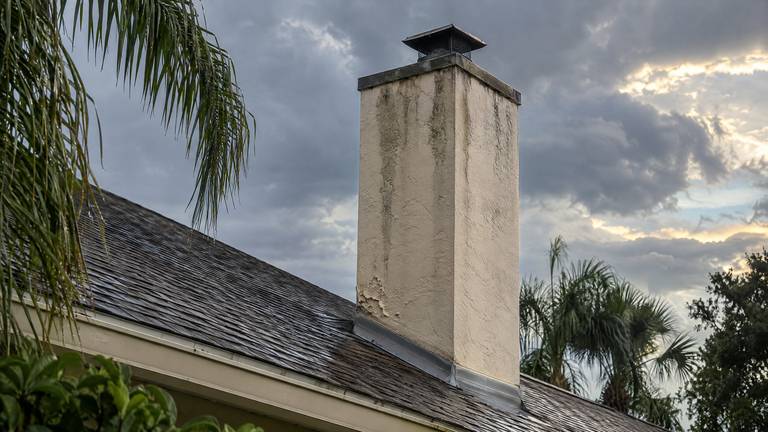
Fireplace Smoking Into the Room After Household Changes
A useful history of the problem can be more valuable than another attempt to light the fireplace.
- Family owned and operated
- Same-day service available
- No hidden fees
- Workmanship warranty
Quick answer
Fireplace smoking into the room can follow a change in the chimney, the fireplace or airflow through the home. Recent ventilation or room changes belong in the assessment history, but do not prove the cause. Stop using the fireplace until the problem is assessed. For uncontrolled fire, a suspected chimney fire or a carbon monoxide alarm, leave and call 911 first.
Contents
Describe the event that already happened
Smoke coming out of a fireplace is a reason to stop and investigate, not a request to keep adjusting things until a fire looks better. Once everyone is safe and the fireplace is no longer in use, write down what happened. Include whether the problem was new, whether it appeared immediately or later, and any changes you already know about in the room or home.
Do not reproduce the event for a clearer description. A household record does not need a measured amount of smoke or a filmed demonstration. The useful facts are often ordinary ones: the first use after a project, a different fuel supply, an unfamiliar damper control or an occurrence noticed by someone who had not used that fireplace before. Mark uncertain details as uncertain rather than filling in the gaps.
Understand how chimney draft works
Draft is the pressure difference that draws combustion gases along the intended path out of a fireplace. Heat, the flue arrangement and the availability of air act together, so a change in one part can affect the whole system. That explanation helps organize an assessment; it does not tell a homeowner which component to modify.
Heatilator's Accelerator troubleshooting material describes chimney draft problems involving leakage, obstruction and household exhaust competition. Its examples support checking the system and the home together rather than assuming every smoky fireplace needs the same accessory. The manual belongs to specific factory-built models. Corrective dimensions and operating procedures still need to match the equipment at your property.
Put household changes on the same timeline
A fireplace may be familiar even when its surroundings have changed. Tell the assessor about recent window, door, ventilation or room alterations, as well as chimney or roof work. Mention changes you know happened; do not try to estimate how airtight the house is. An association in time gives the professional a line of inquiry without establishing fault by another contractor.
The same principle applies to everyday room use. If you recall that an exhaust appliance was operating during the event, include it in the description. Do not run combinations of appliances and test fires to prove the connection yourself. A safe, controlled assessment belongs with the people evaluating the equipment. Homeowners can contribute history without being asked to recreate a hazardous condition.
A checklist for the service conversation
The question “why does my fireplace smoke?” becomes easier to investigate when it comes with a short, organized account. Identify the fireplace involved if there is more than one, and explain whether a gas appliance is fitted inside an older opening. A decorative front can conceal a system different from the one suggested by the outer masonry.
Give this information once, in a form that the person at the appointment can also access. A family member arranging the booking may know different details from the person who was present. Combining the accounts is more useful than asking either person to guess.
- When was the last use that you remember without smoke spilling?
- What work or change took place between that use and the problem?
- What fuel and controls were used during the incident?
- Were there unusual sounds, visible damage or material in the opening?
- Has anyone already altered a setting, fitted a part or attempted a repair?
Avoid a shopping-list diagnosis
A cap, a damper, cleaning and a structural alteration address different findings. Buying one before the cause is understood may leave the smoke complaint unresolved. Ask what evidence connects the proposed work to the reported event. If the explanation depends on another part of the system being sound, ask how that condition was established or what remains to be checked.
A chimney not drawing properly is also not proof that the chimney is simply too short. A proposal to change a component should account for the existing arrangement and its applicable requirements. Keep the assessment question distinct from the product sale: first establish the relevant finding, then choose work intended to address it. That sequence makes the reason for the cost easier to understand.
What a useful repair proposal explains
The proposal should identify the finding, the intended correction and any limitation. For example, a cleaning recommendation should explain whether deposits were the concern and whether an additional defect remains. A repair aimed at one damaged component should not be treated as a promise about unrelated ventilation changes. Ask who is responsible if another trade needs to evaluate part of the home.
Where more investigation is necessary, request a clear next step rather than an unqualified declaration that the fireplace is fine. You should know whether use remains on hold and what information is still needed. A free inspection does not require you to approve a guessed repair merely to keep the appointment moving. Our Tampa team can explain the proposed scope before you decide.
Close the loop before the next use
After work, keep a record of the concern reported and the correction completed. Discuss the instructions that apply to your fireplace and whether anything remains unresolved. A household member who missed the service visit should receive the same status, particularly if the fireplace is still awaiting a part or another assessment.
Do not use the disappearance of an odor, a clean-looking firebox or one apparently normal fire as a substitute for addressing the original smoke complaint. The aim is an explained correction and appropriate operating guidance. Arrange chimney inspection for your Tampa property and tell us what changed, rather than testing a series of possible fixes on your own.
Make your first service go further
Get 10% off your first service. Start with a free inspection and choose the work your fireplace needs.

Proudly American
A clear scope, an agreed price and workmanship we stand behind.
Our Services
Arrange the Relevant Service

Guides
Useful Answers Before the Visit
-
-
-
-


Put That Fireplace Problem on the Schedule
Arrange your free inspection in Tampa. We will help you understand the problem and the work it needs.
Your request is confirmed
Our team will contact you to arrange the appointment.