
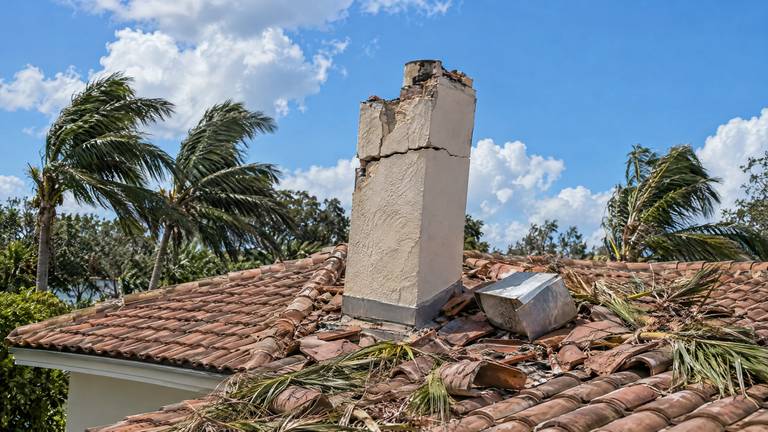
Why Does My Fireplace Smell While Unused?
The useful question is both where the smell starts and how it reaches you.
- Family owned and operated
- Same-day service available
- No hidden fees
- Workmanship warranty
Quick answer
An unused fireplace can smell because deposits, moisture or debris remain in the system and air carries the odor into the room. The smell alone does not identify the source or prove that cleaning will solve it. If the odor may be gas, leave and call the gas utility or 911 from outside before arranging routine fireplace service.
Contents
Treat the description as a starting point
“Why does my fireplace smell?” is a reasonable question even when no fire has been lit for months. The first useful detail is when and where you notice the odor. An earthy description, a smoky impression and an intermittent smell are observations, not a diagnosis. Tell the service team what you have experienced without trying to identify a substance by smell alone.
Keep safety separate from the ordinary nuisance discussion. If gas could be involved, leave and call the gas utility or 911 from outside. For a carbon monoxide alarm, uncontrolled fire or suspected chimney fire, get out and call 911 first. Do not remain inside trying to classify an odor while there is a possible immediate danger. The rest of this guide concerns a non-emergency service assessment.
Separate the source from the air route
Public chimney-safety guidance explains that creosote deposits can contribute an odor, especially with moisture, while pressure differences can draw chimney air toward the room. Those are related but different questions: what is producing the smell and what is carrying it inside? Removing a deposit may help without resolving every condition involved in that airflow.
This distinction is useful when discussing work. A cleaning proposal should explain what is being removed. A proposal involving a damper or another component should establish suitability for the actual system and fuel. Do not seal an opening, change a vent or fit a part based only on the desire to stop a smell. The remedy needs to account for how the fireplace is designed to operate.
Record the ordinary pattern you already notice
Write down the circumstances of existing incidents rather than creating experiments. Note whether the fireplace smells in summer, after a period of rain or while the home is closed for an extended time. Also mention recent work to the chimney or changes in household ventilation if you know about them. A pattern can guide an assessment without proving which item caused the problem.
Avoid switching equipment repeatedly or lighting a fire to see whether the smell disappears. That can introduce a new condition rather than clarify the old one. For a household with several occupants, one shared note is helpful: someone may notice the odor at a different time or in another room. Preserve those differences instead of assuming every observation describes exactly the same event.
What to tell the person booking the visit
Explain which fireplace is involved and whether it is open wood-burning, fitted with a gas appliance or otherwise altered. If you are unsure, say so. A chimney smell around an unused opening does not mean the original system is still intact. Previous changes and unfamiliar controls belong in the description even if no one currently uses the fireplace.
You do not need to reach into a flue, disturb debris or access the roof to make the appointment useful. Leave concealed or elevated examination to the appropriate service assessment. If you hear or see wildlife, tell the team before work is planned so species and applicable restrictions can be addressed.
- The room and location where the smell is strongest.
- Whether it is continuous or noticed at particular times.
- Any visible water, fallen material or stain already observed safely.
- Whether the fireplace has recently been cleaned or repaired.
- Any temporary covering, odor product or alteration already tried.
Avoid masking the information you need
A room fragrance may change what you notice without changing the underlying condition. Tell the assessor if products have already been applied, including their names if available. Do not add chemicals or place materials inside an appliance to improvise a treatment. The existing complaint needs a clear description before a treatment is selected.
A musty fireplace smell also does not establish a particular biological problem. It is reasonable to report visible dampness or an odor without diagnosing mold or assuming that a chimney service is a remediation service. If the assessment points outside the proposed fireplace work, ask which concern needs another provider. Accurate boundaries are more useful than one explanation stretched to cover every possible source.
Make the proposed outcome specific
Ask what finding the recommended work addresses and what result is expected. Does the proposal remove deposits, repair a water-entry detail, replace a damaged component or arrange further evaluation? Those tasks may be connected, but they should not disappear into a single promise to “get rid of the smell.” A clearer scope makes a follow-up conversation possible if the symptom continues.
If the fireplace was recently swept, bring the completed work description. That helps distinguish what was cleaned from what remains to be assessed. It is not proof that the earlier work was ineffective, nor a reason to assume that no further cleaning is needed. The current recommendation should follow the observed condition and the limits of the previous job.
Keep follow-up observations comparable
After the agreed work, record whether the original odor returns under similar circumstances. A smell noticed in another room after a new project may need a different assessment. Describe what changed instead of treating every later odor as a repeat of the original complaint. Keep the work date and the explanation of any unresolved issue with the household note.
Our Tampa inspection is free, and proposed service is explained separately. For cleaning-related findings, chimney sweep work can address the deposits within its agreed scope. Ask about remaining concerns before returning an unused fireplace to service. An odor that has faded is not, by itself, confirmation that the entire fireplace and chimney are ready for use.
Leave a clear instruction for the household
When a fireplace is waiting for assessment, tell everyone who might use it. Do not assume a family member knows why it has been left idle or which temporary measures have been tried. A short status note should identify the problem, the planned appointment and whether use remains on hold. Keep the correct appliance instructions nearby without treating the note as a substitute for them.
After the visit, replace that temporary status with the actual finding and agreed next step. A scheduled repair is not the same as a completed repair, and completed cleaning is not a blanket assessment of every possible odor source. Clear household communication helps preserve the useful result of the appointment.
Make your first service go further
Get 10% off your first service. Start with a free inspection and choose the work your fireplace needs.
Our Services
Arrange the Relevant Service
-

-

-


Guides
Useful Answers Before the Visit
-
-
-
-



Enjoy Your Fireplace Again
A useful answer starts with your fireplace. Call or request a visit and tell us what has changed.
Your request is confirmed
Our team will contact you to arrange the appointment.